
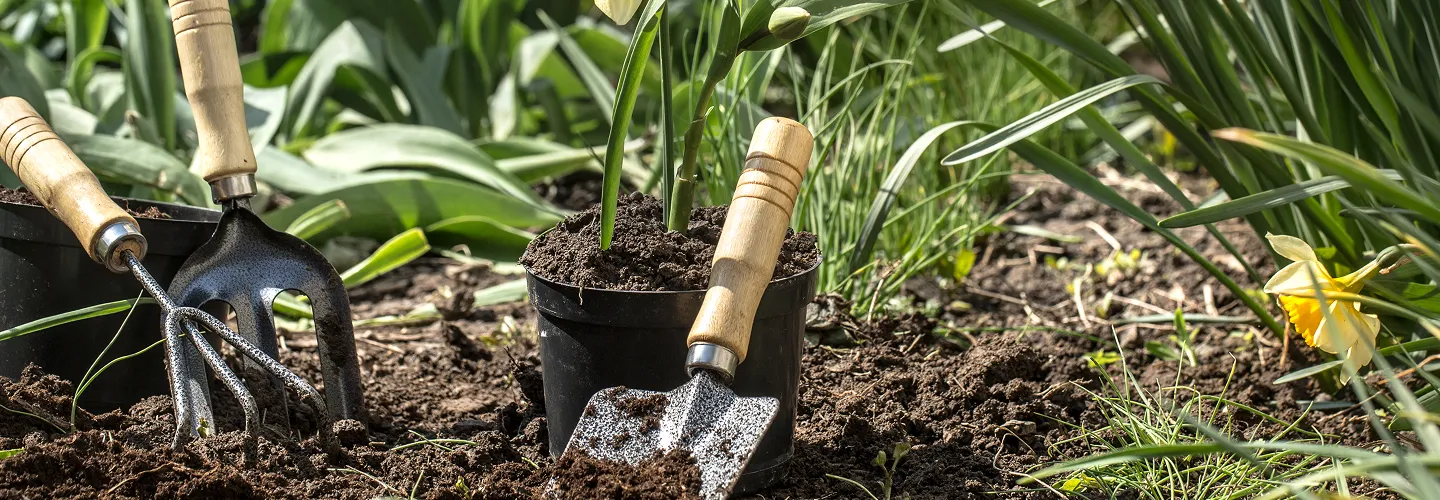
Barker Lawn Renovation Services
Choose our Lawn Renovation services for expert care, proven results, and a lush, healthy yard that enhances your property's beauty and value—because your lawn deserves the best.
Get a Free QuoteOur Barker Landscaping & Yard Care Services
When to Schedule Lawn Renovation in Barker, Texas – Seasonal Guide
In Barker, Texas, timing your lawn renovation is crucial for achieving a lush, healthy yard that thrives year-round. The best periods for renovation are typically late spring and early fall, when soil temperatures are warm enough to encourage strong root growth but not so hot as to stress new grass. Barker’s climate features humid summers and mild winters, with the last frost usually occurring in early March and the first frost arriving in late November. This window allows homeowners in neighborhoods like Barker Village and near Bear Creek Pioneers Park to plan renovations when conditions are most favorable.
Local environmental factors play a significant role in determining the optimal renovation schedule. For example, areas with dense shade from mature oaks or pecans, common in the West Little York corridor, may require different grass varieties or timing than sunnier lots. Soil in Barker often ranges from sandy loam to heavier clay, impacting drainage and renovation techniques. Additionally, drought risk during late summer and municipal watering restrictions can affect when and how you renovate. For more information on local guidelines and resources, visit the Sudbury municipal site.
Local Factors to Consider for Lawn Renovation in Barker
- Tree density and shade coverage, especially near established neighborhoods
- Soil type (sandy loam vs. clay) and drainage characteristics
- Seasonal precipitation patterns and drought risk
- Terrain slope and potential for runoff
- Municipal watering restrictions and local ordinances
- Proximity to landmarks like Bear Creek Pioneers Park, which may influence microclimates
Benefits of Lawn Renovation in Barker

Enhanced Curb Appeal
Improved Lawn Health
Weed and Pest Reduction
Increased Property Value
Customized Landscaping Solutions
Professional and Reliable Service

Barker Lawn Renovation Types

Sod Installation
-
Seeding and Overseeding
-
Soil Amendment
-
Aeration Services
-
Dethatching
-
Weed and Pest Control
-
Irrigation System Upgrades
Our Lawn Renovation Process
Site Evaluation
Soil Preparation
Seeding or Sodding
Watering and Fertilization
Ongoing Maintenance
Why Choose Barker Landscape Services
-
Barker Homeowners Trust Us
-
Expert Lawn Maintenance
-
Reliable Scheduling
-
Competitive Pricing
-
Professional Team
-
Satisfaction Guarantee
-
Personalized Service
Barker’s Expansive Clay Soils and Lawn Renovation Best Practices
Lawn renovation in Barker, TX requires careful consideration of the region’s predominant soil types, notably the Houston Black clay and related Vertisols. These soils are characterized by high clay content, poor drainage, and a tendency to compact, which can impede root growth and water infiltration. According to the USDA Web Soil Survey, local pH levels typically range from 7.5 to 8.2, necessitating soil amendments for optimal turf establishment. Core aeration to a depth of 2-3 inches is recommended every 2-3 years, especially in areas with visible compaction or standing water. Incorporate 2-3 inches of compost tilled to a 6-inch depth to improve structure and organic matter. Soil testing through Texas A&M AgriLife Extension (15-25 cost) is advised prior to renovation to determine amendment needs.
Seasonal Timing and Weather Considerations for Lawn Renovation in Barker
Barker’s climate falls within USDA Hardiness Zone 9a, with hot, humid summers and mild winters. The optimal window for lawn renovation, including seeding and sodding, is from September 1 to October 15, when soil temperatures range from 70°F to 80°F and rainfall is more consistent. Spring renovation is possible from March 15 to April 30, but avoid June-August due to heat stress and drought risk. Monitor local forecasts via the National Weather Service Houston/Galveston Office to avoid renovation during heavy rain events, which can cause soil erosion and seed washout. Key timing guidelines include:
- Fall seeding: September 1 - October 15
- Spring seeding: March 15 - April 30
- Avoid renovation during summer heat (June-August)
- Irrigate newly renovated areas to maintain consistent soil moisture
Municipal Coordination and Yard Waste Disposal Protocols in Barker
Proper disposal of renovation debris, such as sod, soil, and grass clippings, is regulated by Harris County and local ordinances. Weekly yard waste collection is typically scheduled for Thursdays, April through November. Residents must use biodegradable bags or reusable bins (32-gallon max); plastic bags and branches over 4 inches in diameter are prohibited. Debris should not be placed in storm drains, as this violates Barker’s MS4 permit requirements under the Clean Water Act. For large renovation projects, coordinate with the Department of Public Works for bulk pickup or drop-off site information.
Harris County Office of County Engineering
1111 Fannin Street, Houston, TX 77002
Phone: (713) 274-3600
Official Website: Harris County Office of County Engineering
Environmental Compliance: Stormwater and Buffer Zone Regulations in Barker
Lawn renovation activities in Barker must comply with state and federal environmental regulations to protect local water bodies, including Buffalo Bayou and adjacent wetlands. The Texas Commission on Environmental Quality (TCEQ) enforces MS4 stormwater permit requirements, prohibiting the discharge of soil, fertilizer, or debris into storm drains. Maintain a 25-foot no-disturbance buffer from wetlands and a 50-foot setback from open water. No fertilizer or pesticide applications are permitted within these buffer zones. For properties near protected areas, additional restrictions may apply. Consult the Texas Water Code for further details on water quality protection.
Harris County Environmental Services
1001 Preston Street, Houston, TX 77002
Phone: (713) 274-6300
Official Website: Harris County Environmental Services
Equipment Operation Hours and Safety Standards for Lawn Renovation in Barker
Barker enforces specific noise and equipment operation ordinances to minimize community disruption during lawn renovation. Permitted hours for powered equipment are:
- Monday-Friday: 7:00 AM - 7:00 PM
- Saturday: 8:00 AM - 6:00 PM
- Sunday and holidays: Prohibited All operators must use commercial-grade equipment with functioning mufflers, and noise levels must not exceed 85 decibels at property lines. Personal protective equipment (PPE) is required, including ANSI Z87.1 safety glasses, hearing protection for noise above 85 dB, and steel-toed boots. Maintain a 15-foot clearance from overhead utilities and public sidewalks. For work near public roads, traffic control measures such as cones and signage are mandatory.
Harris County Fire Marshal’s Office
2318 Atascocita Road, Humble, TX 77396
Phone: (281) 436-8000
Official Website: Harris County Fire Marshal’s Office
What Neighborhoods Do We Serve Throughout Barker, TX?
- Barker Village: Features mature trees and older homes with compacted clay soils, requiring frequent aeration and organic amendments for successful lawn renovation.
- Green Trails: Known for larger lots and proximity to Buffalo Bayou, this area faces drainage challenges and must observe strict buffer zone regulations to protect water quality.
- Westfield: Characterized by newer developments with fill soils and moderate compaction, renovation projects here often require soil testing and pH adjustment.
- Bear Creek Plantation: Located near conservation areas, this neighborhood has periodic flooding and heavy clay, necessitating raised beds and careful debris management.
- Cinco Ranch North: Features HOA oversight, uniform landscaping standards, and irrigation restrictions, impacting renovation timing and species selection.
- Park Row: Contains mixed-use properties and narrow access points, requiring careful equipment staging and adherence to noise ordinances during renovation.
- Addicks: Adjacent to Addicks Reservoir, this area has unique wetland protections and seasonal water table fluctuations affecting renovation schedules.