

Barker Dethatching Lawn Services
Choose our dethatching lawn service for a healthier, greener yard—our experienced team removes built-up thatch to promote stronger roots, better water absorption, and a lush, vibrant lawn you'll love.
Get a Free QuoteOur Barker Landscaping & Yard Care Services
When to Schedule Dethatching Lawn in Barker, Texas – Seasonal Guide
In Barker, Texas, the best time to schedule dethatching for your lawn is typically in late spring or early fall, when grass is actively growing and can recover quickly. The region’s warm, humid climate—especially in neighborhoods near Bear Creek Park and along Barker Cypress Road—means lawns often experience rapid thatch buildup, particularly after wet winters or periods of high humidity. Timing dethatching around the last expected frost date and before the peak summer heat helps prevent stress on your turf and maximizes recovery.
Local environmental factors play a significant role in determining the ideal dethatching window. For example, areas with heavy shade from mature oaks or pecans, such as those near the Barker Reservoir, may retain moisture longer, increasing the risk of fungal issues if thatch is left unchecked. Conversely, properties with sandy soils or those prone to drought—common in the western parts of Barker—should avoid dethatching during dry spells to prevent further stress. For more information on local climate patterns and municipal guidelines, visit the official Barker community resource.
Local Factors to Consider for Dethatching Lawn in Barker
- Tree density and shade coverage (affects moisture retention and thatch buildup)
- Soil type (clay vs. sandy soils influence recovery time)
- Recent precipitation and drought risk
- Proximity to landmarks like Bear Creek Park or Barker Reservoir
- Municipal watering restrictions and seasonal guidelines
- Terrain slope and drainage patterns
Benefits of Dethatching Lawn in Barker

Improved Lawn Health
Enhanced Grass Growth
Increased Water Absorption
Reduced Pest and Disease Risk
Boosted Curb Appeal
Professional and Reliable Service
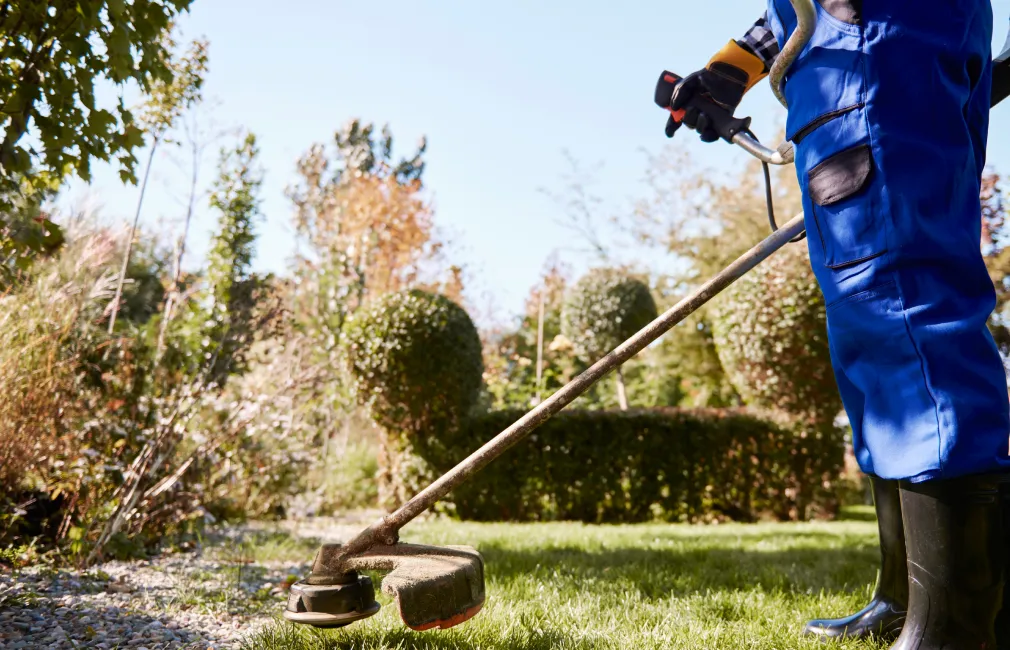
Barker Dethatching Lawn Types

Cool-Season Grasses
-
Warm-Season Grasses
-
Fescue Lawns
-
Bluegrass Lawns
-
Bermuda Grass Lawns
-
Zoysia Grass Lawns
-
Ryegrass Lawns
Our Dethatching Lawn Process
Lawn Evaluation
Thatch Depth Measurement
Dethatching Equipment Setup
Thatch Removal
Cleanup and Disposal
Why Choose Barker Landscape Services
-
Barker Homeowners Trust Us
-
Expert Lawn Maintenance
-
Reliable Scheduling
-
Competitive Pricing
-
Professional Team
-
Satisfaction Guarantee
-
Personalized Service
Barker’s Expansive Clay Soils and Dethatching Best Practices
Barker’s predominant soils, including Houston Black and other Vertisols, are characterized by high clay content, poor drainage, and a tendency for compaction. These conditions make thatch accumulation a persistent issue, especially in areas with heavy foot traffic or frequent irrigation. According to the USDA Web Soil Survey, local soils often exhibit pH values between 7.5 and 8.2 and seasonal water tables within 18-24 inches of the surface. For effective dethatching, core aeration to a depth of 2-3 inches is recommended, with dethatching performed every 2-3 years for clay-based lawns. Soil testing through Texas A&M AgriLife Extension (typical cost: $15-25) is advised to determine amendment needs. Incorporate 2-3 inches of compost tilled to a 6-inch depth to improve structure and drainage. Avoid dethatching during periods of saturated soil to prevent compaction and turf damage.
Equipment Operation Hours and Noise Ordinance Compliance in Barker
Dethatching activities in Barker are subject to municipal noise ordinances and equipment operation restrictions. Permitted hours for powered lawn equipment are:
- Monday-Friday: 7:00 AM - 7:00 PM
- Saturday: 8:00 AM - 6:00 PM
- Sunday and holidays: Prohibited Operators must ensure all equipment is fitted with functional mufflers and noise output does not exceed 85 decibels at the property line. When working near public rights-of-way, maintain a 15-foot clearance from utilities and use high-visibility vests and ANSI Z87.1 safety glasses. For large-scale dethatching projects, traffic control measures may be required, including signage and safety cones. Municipal code enforcement monitors compliance and may issue citations for violations. For further guidance, coordinate with:
Harris County Office of County Engineering
1111 Fannin Street, Barker, TX 77413
Phone: (713) 274-3600
Official Website: Harris County Office of County Engineering
Stormwater Management and Environmental Compliance for Dethatching in Barker
Proper dethatching in Barker must comply with local and state stormwater regulations to protect Buffalo Bayou, Bear Creek, and adjacent wetlands. The Texas Water Code and Clean Water Act prohibit the discharge of lawn debris into storm drains. Barker’s MS4 permit, administered by the Texas Commission on Environmental Quality, requires:
- No grass clippings or thatch in storm drains
- Maintain a 25-foot buffer from wetlands and water bodies
- Use biodegradable bags or 32-gallon bins for debris
- Weekly yard waste collection: Thursday, April-November Violations may result in fines or enforcement actions. For environmental questions, contact:
Harris County Environmental Services
1001 Preston Street, Barker, TX 77413
Phone: (713) 274-6300
Official Website: Harris County Environmental Services
Seasonal Timing and Weather Considerations for Dethatching in Barker
Barker’s climate, classified as USDA Hardiness Zone 9a, features hot, humid summers and mild winters. Optimal dethatching windows are late March to early April and late September to mid-October, when soil temperatures range from 60°F to 75°F and turf is actively growing. Avoid dethatching during peak summer (June-August) to prevent heat stress and in winter when grass is dormant. Monitor local weather forecasts through the National Weather Service Houston/Galveston Office to avoid scheduling during heavy rainfall or saturated soil conditions. Recommended timing guidelines:
- Spring dethatching: March 15 – April 15
- Fall dethatching: September 15 – October 15
- Frequency: Every 2-3 years for clay soils
- Avoid: After heavy rain or when soil is waterlogged
What Neighborhoods Do We Serve Throughout Barker, TX?
- Barker Village: Features mature landscapes and heavy clay soils, requiring frequent dethatching and careful debris management due to dense tree cover and limited street access.
- Bear Creek Estates: Proximity to Bear Creek and floodplain areas necessitates strict compliance with buffer zones and stormwater regulations during dethatching operations.
- Westfield Pines: Newer development with compacted fill soils and smaller lot sizes, presenting challenges for equipment access and requiring attention to HOA landscaping standards.
- Green Trails: Large lots with established turf and moderate slopes, where dethatching must account for runoff control and adherence to local drainage ordinances.
- Cinco Ranch North: High-density housing and shared green spaces, with increased need for noise ordinance compliance and coordinated scheduling to minimize community disruption.
- Park Row: Commercial and mixed-use area with frequent public right-of-way work, requiring additional safety measures and coordination with municipal departments for traffic control.
- Addicks Reservoir Area: Adjacent to protected wetlands and conservation lands, where dethatching must maintain a 25-foot buffer and comply with environmental protection requirements.