
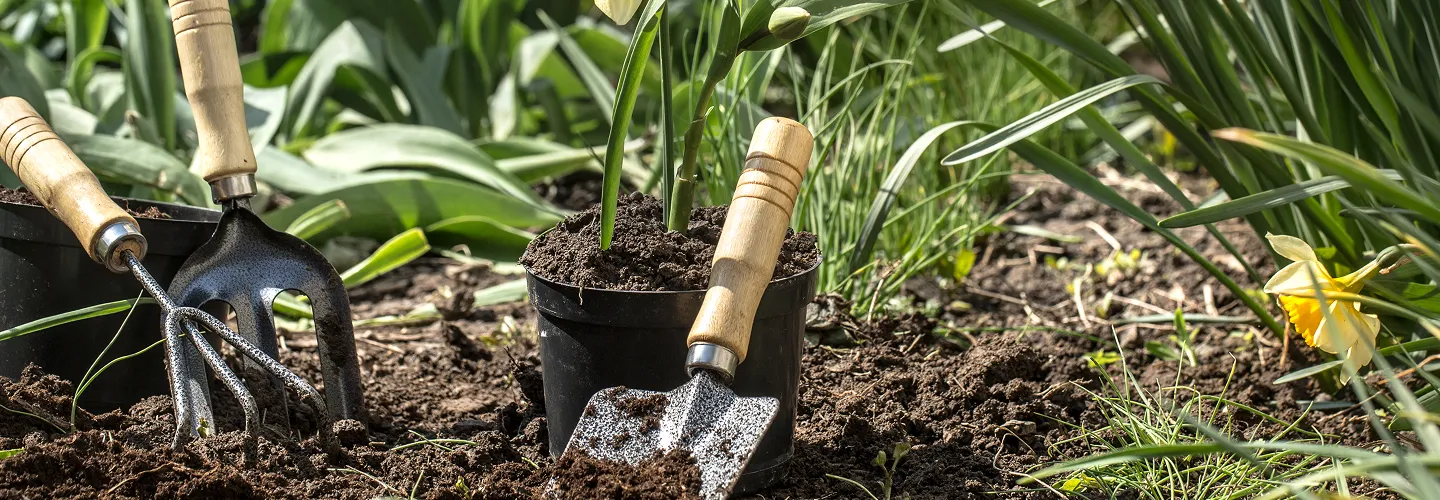
Barker Flower Planting Services
Choose Barker for vibrant, expertly arranged flower beds that boost curb appeal and bring lasting beauty to your landscape—crafted with care by our passionate planting specialists.
Get a Free QuoteOur Barker Landscaping & Yard Care Services
When to Schedule Flower Planting in Barker, Texas – Seasonal Guide
In Barker, Texas, timing your flower planting is crucial for vibrant, long-lasting blooms. The region’s subtropical climate means mild winters and hot, humid summers, so the best planting windows are typically early spring (late February to early April) and early fall (late September to October). These periods allow roots to establish before the intense summer heat or occasional winter chills. Neighborhoods near Bear Creek Pioneers Park and along Barker Cypress Road often experience microclimates—such as increased shade from mature trees or slightly cooler temperatures—that can influence planting schedules.
Local environmental factors play a significant role in determining the optimal time for flower planting. For example, Barker’s last average frost date is usually in early March, making it safe to plant most annuals and perennials after this point. Soil in the area tends to be clay-heavy, requiring good drainage and organic amendments for best results. Homeowners should also consider drought risk during late summer and municipal watering restrictions, which can impact new plantings. For more detailed local guidelines, visit the Sudbury municipal resource.
Local Factors to Consider for Flower Planting in Barker
- Tree density and shade coverage, especially in neighborhoods like Green Trails
- Soil type and drainage, common in areas near Addicks Reservoir
- Average precipitation and risk of summer drought
- Municipal watering restrictions and seasonal ordinances
- Terrain variations, such as low-lying or flood-prone yards
- Proximity to major roads, which can affect microclimates and air quality
Benefits of Flower Planting in Barker
Expert Landscaping Services
Customized Garden Designs
Seasonal Plant Selection
Enhanced Curb Appeal
Eco-Friendly Planting Solutions
Professional Maintenance Support
Barker Flower Planting Types

Perennial Flower Beds
-
Annual Flower Displays
-
Native Plant Gardens
-
Pollinator-Friendly Plantings
-
Shade Garden Installations
-
Seasonal Bulb Planting
-
Container Flower Arrangements
Our Flower Planting Process
Site Evaluation
Soil Preparation
Plant Selection
Careful Planting
Watering and Mulching
Why Choose Barker Landscape Services
-
Barker Homeowners Trust Us
-
Expert Lawn Maintenance
-
Reliable Scheduling
-
Competitive Pricing
-
Professional Team
-
Satisfaction Guarantee
-
Personalized Service
Soil Series and Drainage Considerations for Flower Planting in Barker
Barker’s landscape is shaped by Vertisols and Mollisols, including the Houston Black clay and Katy fine sandy loam, as identified by the USDA Web Soil Survey. These soils are characterized by high clay content, moderate to poor drainage, and a pH typically ranging from 7.2 to 8.0. For successful flower planting, it is essential to address compaction and drainage by incorporating 2-3 inches of compost tilled to a 6-inch depth. Soil testing, available through Texas A&M AgriLife Extension, is recommended to determine amendment needs. Key practices include:
- Compost incorporation: 2-3 inches tilled to 6-inch depth
- Lime application for pH below 6.0; sulfur for pH above 7.5
- Soil test cost: $15-25 per sample
Texas A&M AgriLife Extension
17360 State Highway 249, Houston, TX 77064
Phone: (281) 855-5600
Official Website: Texas A&M AgriLife Extension
Seasonal Timing and Climate Zone Guidance for Barker Flower Planting
Barker is located in USDA Hardiness Zone 9a, with average annual minimum temperatures of 20-25°F. The optimal planting windows for most annual and perennial flowers are February 15–April 15 (spring) and October 1–November 15 (fall). Avoid planting during June–August due to high heat and drought stress. Monitor local weather patterns using the National Weather Service Houston/Galveston Office. Timing recommendations:
- Spring planting: February 15 – April 15 (soil temp 60–70°F)
- Fall planting: October 1 – November 15
- Avoid: June–August (heat stress period)
- Water newly planted beds 1 inch per week during establishment
Municipal Coordination and Compliance for Flower Planting Projects in Barker
All flower planting activities in Barker must comply with Harris County ordinances regarding landscape installation, right-of-way work, and stormwater management. Equipment operation is permitted:
- Monday–Friday: 7:00 AM – 7:00 PM
- Saturday: 8:00 AM – 6:00 PM
- Sunday and holidays: Prohibited Permit requirements may apply for projects impacting public property or drainage infrastructure. Debris from planting must be disposed of through approved municipal programs; plastic bags are prohibited for yard waste. For platting, permits, and compliance, coordinate with:
Harris County Plating and Permits Services
10555 Northwest Freeway, Houston, TX 77092
Phone: (713) 274-3920
Official Website: Harris County Plating and Permits Services
Environmental Regulations and Stormwater Protection in Barker Flower Beds
Flower planting in Barker must adhere to Texas Water Code and Clean Water Act requirements, including the MS4 stormwater permit administered by the Texas Commission on Environmental Quality. It is prohibited to allow soil, mulch, or plant debris to enter storm drains. Maintain a 25-foot buffer from wetlands and drainage ditches. Application of fertilizers or pesticides within 50 feet of water bodies is not permitted. Compliance steps:
- Maintain 25-foot no-disturbance buffer from wetlands
- No fertilizer/pesticide within 50 feet of water bodies
- Prevent runoff into storm drains (MS4 compliance)
Harris County Environmental Services
10555 Northwest Freeway, Houston, TX 77092
Phone: (713) 274-3600
Official Website: Harris County Environmental Services
Selecting Native and Climate-Appropriate Flower Species for Barker
Given Barker’s hot, humid summers and periodic drought, flower selection should prioritize native and drought-tolerant species. Recommended options include:
- Full sun: Black-eyed Susan (Rudbeckia hirta), purple coneflower (Echinacea purpurea), lantana (Lantana camara)
- Partial shade: Turk’s cap (Malvaviscus arboreus), columbine (Aquilegia canadensis)
- Deer resistant: Salvia greggii, Russian sage (Perovskia atriplicifolia)
- Native options: Winecup (Callirhoe involucrata), Gulf Coast penstemon (Penstemon tenuis) Plant spacing should be 12–18 inches for annuals and 18–24 inches for perennials to ensure healthy growth and airflow. Consult Texas A&M AgriLife Extension for additional species guidance and plant diagnostic services.
What Neighborhoods Do We Serve Throughout Barker, TX?
- Barker Village: Features mature trees and established clay soils, requiring soil amendment and careful drainage management for successful flower beds.
- Green Trails: Known for newer developments with compacted fill soils and HOA landscaping standards, necessitating soil loosening and compliance with community guidelines.
- Westfield: Contains properties near drainage channels and floodplains, where buffer zones and stormwater compliance are critical for planting.
- Bear Creek Plantation: Characterized by large lots and proximity to Bear Creek Pioneers Park, with wildlife pressure and deer-resistant plant selection being important.
- Cinco Ranch North: Includes mixed soil types and modern infrastructure, with irrigation system coordination and access considerations for planting projects.
- Williamsburg Parish: Features smaller lots and denser development, requiring attention to setback requirements and efficient use of planting space.
- Barker Reservoir Area: Adjacent to protected wetlands and conservation lands, where strict environmental compliance and native species selection are essential.